Winter Lawn Care: Essential Tips to Keep Your Lawn Healthy All Season
Wesley
|
July 1, 2025
Table Of Contents
As temperatures drop, many property owners think lawn care can take a break. But the truth is, what you do during winter directly affects how your lawn performs in spring. Winter lawn care is not just for snow-heavy states — even in mild Southern climates like Alabama, Florida, and Georgia, lawns still need proactive attention to stay healthy, lush, and resilient.
Whether you’re managing a commercial landscape or maintaining your home’s curb appeal, here’s your complete winter lawn care guide from the experts at Howell Outdoor Services.
Unlike Northern states, winter in the Southeast doesn’t bring months of snow cover, but that doesn’t mean your grass is safe from stress. Fluctuating temps, frost, heavy rain, and foot traffic can weaken roots, compact soil, and leave your lawn vulnerable to disease.
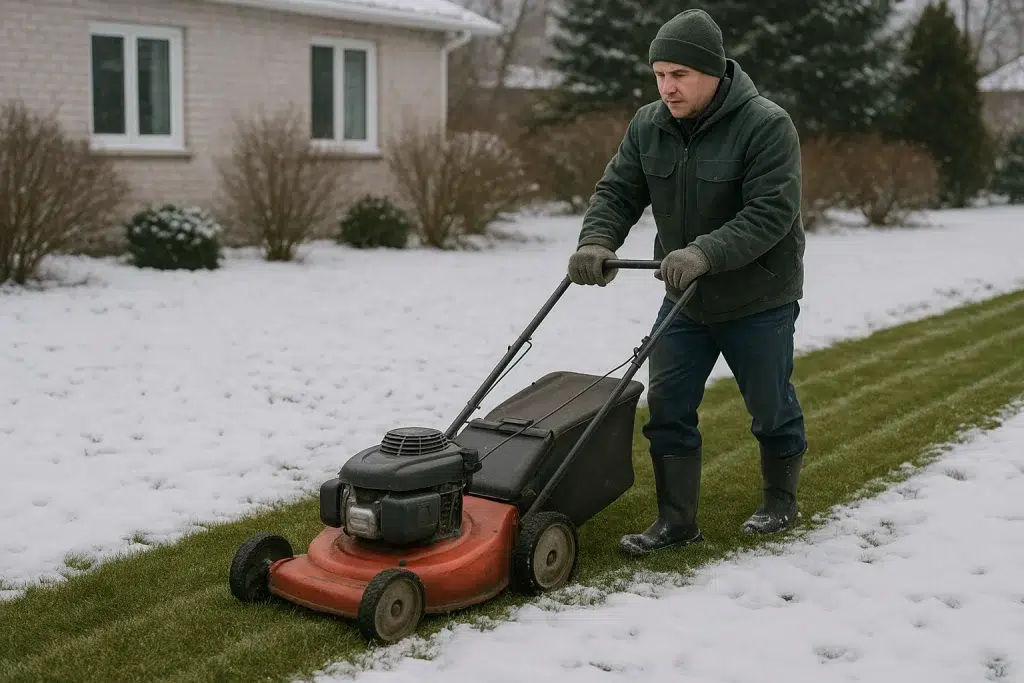
Your lawn needs to be trimmed before the coldest weather hits. For warm-season grasses like Bermuda, Zoysia, or Centipede, a final mow around 2 inches helps prevent matting and mold.
Tips:
Don’t scalp the lawn too short (which can shock the roots)
Sharpen mower blades for a clean cut
Remove clippings to avoid smothering the turf
2. Leaf and Debris Removal Is Non-Negotiable
Even a light layer of leaves can block sunlight and trap moisture, creating the perfect environment for disease and pests.
Our Tip: Schedule regular debris removal services through Howell Outdoor Services to keep your lawn breathable and healthy all winter.
Frozen grass blades break easily, and too much foot or vehicle traffic during frosts can kill off sections of your lawn, especially in shaded or lower areas.
Best Practice: Redirect footpaths and avoid heavy equipment use on turf during freezing mornings.
4. Apply Winter Pre-Emergent Herbicide
Stop winter weeds before they show up. Apply a pre-emergent herbicide in late fall or early winter to control annual bluegrass, henbit, and chickweed — common culprits in our region.
This is especially important for commercial properties that need to maintain clean, professional curb appeal year-round.
winter lawn care
5. Aerate If You Haven’t Yet
If your lawn didn’t get aerated in the fall, you may still have time before the soil hardens completely. Aeration loosens compacted soil, improves drainage, and allows nutrients to reach the roots.
At Howell Outdoor Services, we often combine aeration with soil amendment treatments to boost long-term turf health.
Winter in the South means plenty of rain. Poor drainage can suffocate roots and wash away nutrients.
Watch for:
Standing water
Soggy patches that don’t dry quickly
Runoff near foundations or walkways
If you spot these signs, ask about our Landscape Drainage Solutions to prevent long-term damage and erosion.
7. Tree & Shrub Maintenance Matters Too
Your winter lawn is part of a broader ecosystem. Overgrown trees and shrubs can block winter sun, harbor pests, and increase mold risk from falling branches.
Let our team at Howell Outdoor Services:
Trim limbs away from roofs and walkways
Remove hazardous branches
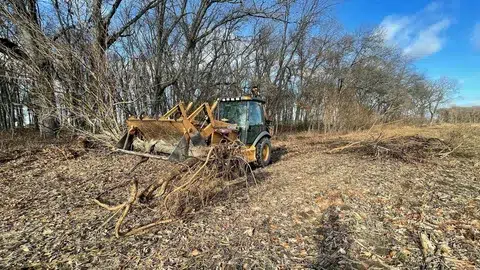
Consult on vegetation management plans that work year-round
Winter fertilization can be beneficial, but timing and type matter.
Warm-season grasses: Don’t fertilize during dormancy (usually November–February), or you risk stimulating weak growth.
Cool-season grasses: May benefit from a slow-release winter fertilizer in early winter.
Not sure which type of grass you have? Our experts can identify your turf and create a custom winter treatment plan to match.
9. Mulch Bare Spots or Garden Beds
Bare soil invites erosion and weed invasion. Add a layer of mulch to:
Garden beds
Tree bases
Sloped areas are prone to runoff
This not only protects your lawn but enhances your property’s winter appearance, especially for residential landscapes looking to maintain curb appeal.
The off-season is the perfect time to evaluate and upgrade your landscape.
Ask about:
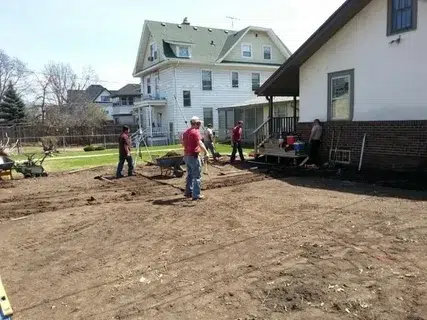
Landscape renovations
Backyard clean-ups
Pond mowing and cleanup
Grading and soil work
Herbicide treatment planning
Getting ahead now sets the stage for a stronger, greener lawn in just a few short months.
Why Choose Howell Outdoor Services for Winter Lawn Care?
With years of experience serving Southeast Alabama, Northwest Florida, and Southwest Georgia, we understand what your turf needs — and what it doesn’t.
From vegetation management to drainage solutions to winter-ready cleanups, our team is trusted by both homeowners and commercial property managers to deliver dependable, expert care in every season.
Protect your lawn during the colder months so it bounces back stronger in spring. Whether you’re maintaining a residential yard or a large commercial landscape, Howell Outdoor Services has the winter expertise you need.
Dormant grass turns brown but still has viable roots. If it breaks easily or doesn’t green up by spring, it may be dead. Our team can assess your turf.
Can I still water my lawn in winter?
Yes — especially during dry spells. Lawns still need moisture, just less frequently.
What’s the best time for pruning trees in winter?
Late winter (February) is ideal for most tree trimming before new growth begins.
Is lawn care even necessary in winter if nothing’s growing?
Yes! Preventative care in winter protects root systems, soil health, and prevents spring weeds and disease outbreaks.
Correct yard grading for drains can eliminate major structural water intrusion issues through the proper elevation of surface runoff, roof runoff, and saturated ground by leveraging the force of gravity.…
After a severe storm, the first thing most homeowners notice is the mess: snapped branches across the lawn, a cracked limb hanging over the driveway, or a heavy bough resting…
Fences and property boundaries help define outdoor spaces, protect property, and maintain clear separation between neighboring areas. However, when weeds, vines, shrubs, and unwanted trees begin growing along these boundaries,…